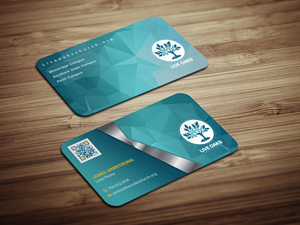
Card design has become an essential element in both personal and professional communication, shaping how messages are delivered and remembered. From business cards to greeting cards, invitations to loyalty cards, the way a card is designed can significantly influence the impression it leaves on its recipient. In a world filled with digital interactions, the tangible presence of a well-crafted card offers a refreshing and meaningful connection that stands out.
At its core, card design is about more than aesthetics 卡片設計. It is a blend of creativity, strategy, and communication. A thoughtfully designed card tells a story, reflects a brand or personality, and conveys information in a visually engaging manner. Designers often consider elements such as color, typography, layout, and imagery to create a cohesive and appealing design. Each component plays a role in guiding the viewer’s attention and evoking the desired emotional response.
Color is one of the most powerful tools in card design. It has the ability to set the tone and mood instantly. Warm colors can create a sense of excitement and energy, while cooler tones can evoke calmness and professionalism. The choice of color should align with the purpose of the card and the message it intends to deliver. For instance, a corporate card may use muted tones to convey reliability, whereas a festive greeting card may embrace vibrant hues to express joy and celebration.
Typography is another crucial aspect that influences the effectiveness of card design. The font style, size, and spacing must be carefully selected to ensure readability and visual harmony. Elegant scripts may be suitable for wedding invitations, while clean and modern fonts are often preferred for business cards. Consistency in typography helps maintain a unified look and strengthens the overall design identity.
Layout and composition are equally important in creating a balanced and visually pleasing card. A well-structured layout ensures that information is organized logically and easy to navigate. Designers often use principles such as alignment, contrast, and white space to enhance clarity and focus. White space, in particular, is a powerful design element that prevents the card from appearing cluttered and allows key details to stand out.
Imagery and graphics add another layer of depth to card design. Whether it is a photograph, illustration, or pattern, visual elements can reinforce the message and make the card more memorable. The choice of imagery should be relevant and purposeful, complementing the overall theme rather than overwhelming it. Subtle details, such as textures or embossing, can also elevate the tactile experience of the card, making it more engaging for the recipient.
In the business world, card design plays a vital role in branding and networking. A well-designed business card serves as a powerful marketing tool, representing the identity and professionalism of an individual or organization. It is often the first physical impression a potential client or partner receives, making it crucial to ensure that the design reflects credibility and attention to detail. Unique and creative designs can help a business stand out in a competitive environment, leaving a lasting impression long after the initial interaction.
Personal cards, such as invitations and greeting cards, also benefit greatly from thoughtful design. These cards often carry emotional significance, marking special occasions and milestones. A beautifully designed card can enhance the sentiment behind the message, making it more meaningful and memorable. Personalization is a key trend in this area, allowing individuals to tailor designs to reflect their unique style and preferences. Custom illustrations, handwritten elements, and personalized messages add a special touch that resonates deeply with recipients.
The evolution of technology has also influenced the field of card design. Digital tools and software have made it easier for designers to experiment with different styles and techniques, pushing the boundaries of creativity. At the same time, advancements in printing technology have expanded the possibilities for producing high-quality cards with intricate details and finishes. Despite the rise of digital communication, the demand for physical cards remains strong, highlighting the enduring appeal of tangible design.
Sustainability has become an increasingly important consideration in modern card design. Designers and consumers alike are becoming more conscious of the environmental impact of their choices. This has led to a growing interest in eco-friendly materials, such as recycled paper and biodegradable inks. Sustainable design not only reduces environmental harm but also reflects a commitment to responsible practices, which can enhance the overall perception of a brand or individual.
Another emerging trend in card design is minimalism. Clean lines, simple layouts, and limited color palettes create a sense of elegance and sophistication. Minimalist designs focus on clarity and purpose, eliminating unnecessary elements to highlight the core message. This approach is particularly effective in professional settings, where a refined and understated design can convey confidence and modernity.
On the other hand, bold and experimental designs continue to capture attention and push creative boundaries. Designers are exploring unconventional shapes, interactive elements, and innovative materials to create unique experiences. These designs challenge traditional norms and offer a fresh perspective, appealing to audiences who value originality and creativity. The balance between innovation and functionality is key, ensuring that the design remains practical while still being visually striking.
Cultural influences also play a significant role in shaping card design. Different regions and traditions bring unique styles, motifs, and color schemes that reflect their heritage and values. Understanding these cultural nuances is essential for creating designs that resonate with diverse audiences. Incorporating cultural elements thoughtfully can add authenticity and depth to the design, making it more meaningful and relevant.
Ultimately, card design is a powerful form of visual communication that combines art and purpose. It has the ability to convey messages, evoke emotions, and create lasting impressions in a way that few other mediums can. Whether used for business or personal purposes, a well-designed card reflects thoughtfulness, creativity, and attention to detail.
As the world continues to evolve, the importance of card design remains steadfast. It bridges the gap between digital and physical communication, offering a tangible and personal touch that cannot be replicated on a screen. By embracing both tradition and innovation, designers can continue to create cards that inspire, connect, and leave a lasting impact on those who receive them.