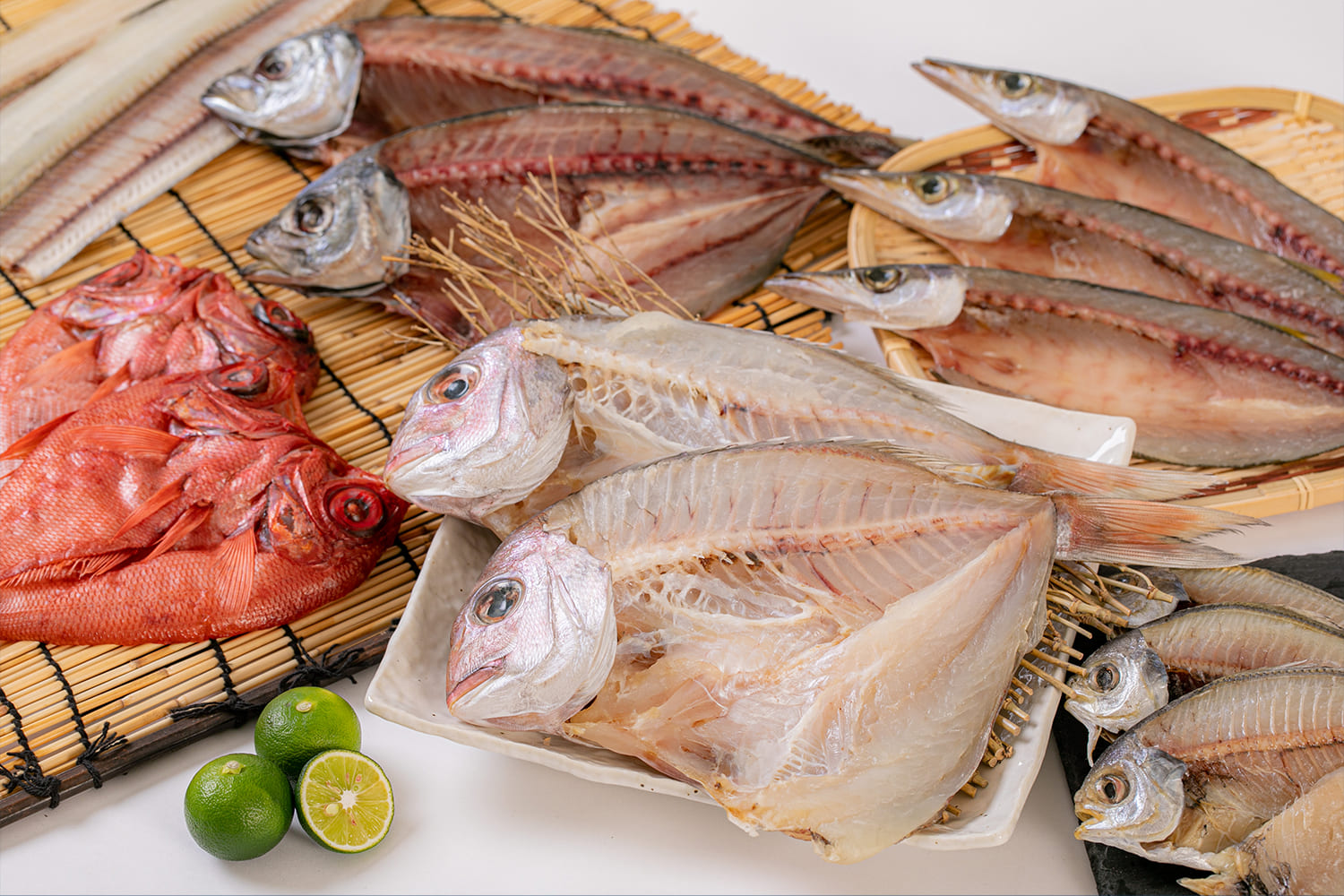
Japanese food wholesale has become an essential part of the global food supply chain as demand for authentic Japanese cuisine continues to grow across different regions. From sushi restaurants and ramen shops to supermarkets and specialty stores, businesses rely on wholesale suppliers to provide high-quality ingredients that maintain the authenticity and flavor of traditional Japanese dishes 日本食品批發. The expansion of international dining culture has made Japanese food more accessible than ever, increasing the importance of reliable wholesale distribution.
Japanese food wholesale involves sourcing, importing, and distributing a wide variety of ingredients that are commonly used in Japanese cooking. These include rice, soy sauce, miso paste, seaweed, noodles, pickled vegetables, seafood, and specialty condiments. Each of these products plays a significant role in maintaining the distinct taste and presentation of Japanese cuisine. Wholesale suppliers must ensure that these items meet strict quality standards to satisfy both professional chefs and consumers.
Japanese food wholesale suppliers often work closely with manufacturers and producers in Japan to maintain authenticity. Many traditional ingredients are region-specific, meaning their flavor and quality depend on where they are produced. For example, certain types of soy sauce or miso have unique fermentation processes that are difficult to replicate elsewhere. By importing directly from trusted producers, wholesalers help preserve the integrity of Japanese culinary traditions in international markets.
Japanese food wholesale distribution is not limited to restaurants alone. Retail stores and online marketplaces also rely on wholesalers to stock their shelves with Japanese products. Consumers who enjoy cooking at home often seek authentic ingredients to recreate their favorite dishes. This growing interest in home cooking has expanded the customer base for wholesale suppliers, making Japanese food more widely available beyond professional kitchens.
Japanese food wholesale logistics require careful handling and transportation, especially for perishable items such as fresh seafood and frozen products. Maintaining the correct temperature and storage conditions is critical to preserving quality and safety. Many wholesalers invest in advanced cold chain systems to ensure that products remain fresh throughout the supply process. This level of attention to detail is essential in meeting food safety regulations and customer expectations.
Japanese food wholesale pricing is influenced by several factors, including import costs, currency exchange rates, transportation fees, and product demand. Seasonal availability can also affect pricing, particularly for items like seafood or specialty produce. Wholesale buyers often look for competitive pricing while still prioritizing quality, as the ingredients directly impact the final product served to customers.
Japanese food wholesale businesses also play a role in promoting cultural exchange. By making traditional ingredients accessible worldwide, they help introduce Japanese culinary culture to new audiences. Restaurants and chefs can experiment with authentic recipes, while consumers can explore new flavors and cooking techniques. This cultural connection adds value beyond the commercial aspect of wholesale trade.
Japanese food wholesale suppliers often provide additional services to support their clients. These may include product recommendations, menu development assistance, and training on how to use specific ingredients. For businesses that are new to Japanese cuisine, this guidance can be invaluable in ensuring that dishes are prepared correctly and meet customer expectations.
Japanese food wholesale has seen significant growth due to the popularity of Japanese cuisine in international markets. Sushi, ramen, tempura, and other dishes have become mainstream in many countries, increasing demand for authentic ingredients. This popularity has encouraged more suppliers to enter the market, creating a competitive environment that benefits buyers through better pricing and product variety.
Japanese food wholesale companies must also adapt to changing consumer preferences. There is a growing demand for organic, gluten-free, and health-conscious food options. Many Japanese ingredients naturally align with these trends, such as low-fat seafood and fermented products that support gut health. Wholesalers who highlight these benefits can attract a broader customer base and stay ahead in the market.
Japanese food wholesale sustainability is becoming an important consideration, particularly in the sourcing of seafood. Overfishing and environmental concerns have led to increased awareness about sustainable practices. Responsible wholesalers work with certified suppliers and follow ethical sourcing guidelines to ensure that their products do not harm marine ecosystems. This approach not only protects the environment but also enhances the credibility of the business.
Japanese food wholesale packaging and branding also play a role in product appeal. Clear labeling, attractive design, and proper packaging help maintain product quality while making items more appealing to buyers. For retail distribution, packaging must also provide information about ingredients, usage, and storage instructions to assist consumers.
Japanese food wholesale technology integration has improved efficiency in recent years. Digital platforms allow suppliers to manage inventory, track shipments, and process orders more effectively. Online ordering systems make it easier for businesses to access products quickly, while data analytics helps wholesalers understand market trends and customer preferences. These technological advancements streamline operations and improve overall service quality.
Japanese food wholesale partnerships are crucial for long-term success. Building strong relationships with suppliers, distributors, and clients ensures a stable supply chain and consistent product quality. Trust and reliability are key factors in maintaining these partnerships, especially in an industry where quality directly impacts customer satisfaction.
Japanese food wholesale market expansion continues to create new opportunities for businesses. As more people become interested in international cuisine, the demand for authentic Japanese ingredients is expected to rise further. Emerging markets are particularly promising, as they offer new customer bases and growth potential for wholesalers willing to invest in distribution networks.
Japanese food wholesale education and awareness are also important in supporting market growth. Many consumers are still unfamiliar with certain Japanese ingredients and how to use them. Wholesalers can provide recipes, cooking tips, and product information to help customers better understand and appreciate these items. This educational approach not only increases sales but also enhances customer engagement.
Japanese food wholesale overall impact on the food industry is significant. It enables restaurants, retailers, and consumers to access authentic ingredients that define Japanese cuisine. Without reliable wholesale distribution, it would be difficult to maintain the quality and authenticity that make Japanese food so popular worldwide.
Japanese food wholesale continues to evolve as global demand increases and supply chains become more advanced. By focusing on quality, sustainability, and innovation, wholesalers can meet the needs of a diverse and growing market. This industry plays a vital role in connecting cultures through food, making it an essential component of the modern culinary landscape.