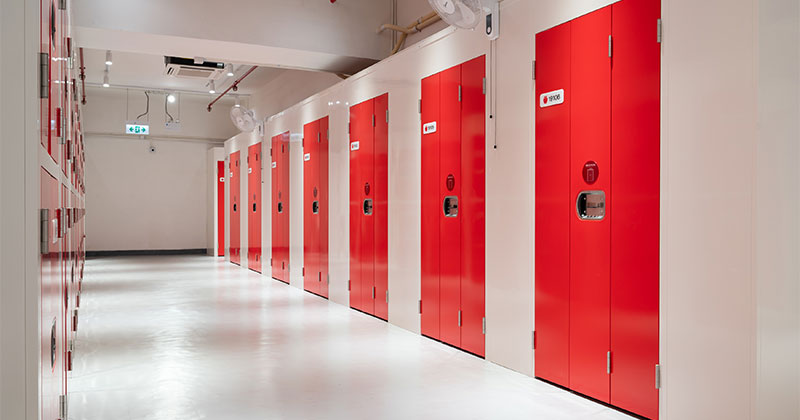
Mini storage monthly rent has become an essential topic for individuals and businesses looking for flexible and affordable space solutions. As urban living spaces shrink and lifestyle needs change, more people are turning to mini storage units to keep their belongings safe without committing to long-term property expenses 迷你倉月租. Understanding how monthly rent works, what factors influence pricing, and how to find the best deal can help users make smarter decisions and avoid unnecessary costs.
Mini storage monthly rent is generally based on a combination of unit size, location, demand, and facility features. The most common factor is size, as smaller units naturally cost less than larger ones. A compact locker designed for a few boxes or personal items will be significantly cheaper than a unit that can store furniture from a full apartment. This pricing structure allows users to choose storage based on actual need rather than paying for unused space.
Mini storage monthly rent is also heavily influenced by location. Storage facilities in major cities or densely populated areas tend to charge higher rates due to increased demand and higher property costs. In contrast, facilities located in suburban or rural regions often offer more affordable monthly rent. This is why people sometimes choose storage units slightly farther from their homes if the cost savings are substantial enough to justify the distance.
Mini storage monthly rent can vary depending on whether the unit is climate-controlled or standard. Climate-controlled units are designed to maintain stable temperature and humidity levels, protecting sensitive items such as electronics, wooden furniture, documents, and clothing from damage. Because of this added protection, these units usually come with higher monthly rent compared to basic storage spaces. For customers storing valuable or delicate items, the extra cost is often considered worthwhile.
Mini storage monthly rent is also shaped by security features offered by the facility. Basic storage units may include simple locks and gated access, while more advanced facilities provide surveillance cameras, biometric entry systems, individual alarms, and on-site staff monitoring. Enhanced security typically increases monthly rent, but it also provides greater peace of mind, especially for long-term storage or valuable belongings.
Mini storage monthly rent can fluctuate based on market demand and seasonal trends. During peak moving seasons, such as summer months or the end of the year, demand for storage units increases, which can drive prices higher. Conversely, during off-peak seasons, facilities may offer discounts or promotional rates to attract customers. Being aware of these cycles can help users secure better deals by timing their rental period strategically.
Mini storage monthly rent is often more affordable when customers take advantage of promotional offers. Many storage companies provide introductory discounts, such as reduced rates for the first month or percentage-based savings for long-term contracts. While these deals can significantly lower initial costs, it is important to check what the regular rent will be after the promotion ends to avoid unexpected price increases.
Mini storage monthly rent also depends on accessibility options provided by the facility. Some storage units offer 24-hour access, allowing customers to retrieve or store items at any time. Others operate during limited business hours, which can slightly reduce costs. Drive-up units, which allow direct vehicle access, are usually more convenient but may come with higher rent compared to indoor units that require walking through hallways or elevators.
Mini storage monthly rent is not only relevant to individuals but also to small businesses and entrepreneurs. Many businesses use storage units to keep inventory, equipment, or archived documents. For startups, renting mini storage is often more cost-effective than leasing commercial office or warehouse space. The flexibility of monthly rent allows businesses to scale their storage needs up or down depending on growth and seasonal demand.
Mini storage monthly rent can also be optimized through smart space management. Proper packing techniques, such as using uniform boxes, labeling items clearly, and stacking efficiently, can maximize available space. By organizing belongings effectively, users may be able to rent smaller units, which directly reduces monthly costs. Vertical storage solutions, such as shelves or stackable containers, further improve space utilization.
Mini storage monthly rent is sometimes influenced by additional services offered by the facility. Some storage providers include value-added features such as packing supplies, moving truck rentals, insurance options, or online account management systems. While these services may slightly increase monthly rent, they can also reduce overall moving and storage expenses by eliminating the need for third-party providers.
Mini storage monthly rent can vary widely depending on the type of facility chosen. Budget storage providers focus on offering basic, no-frills units at lower prices, while premium storage facilities emphasize convenience, security, and modern amenities. Customers must decide whether they prioritize cost savings or additional features when selecting a storage provider.
Mini storage monthly rent is also affected by contract flexibility. Some facilities offer month-to-month agreements, allowing customers to rent storage without long-term commitments. Others may provide discounts for longer rental contracts, such as six-month or yearly agreements. Choosing the right contract type depends on how long storage is needed and whether stability or flexibility is more important.
Mini storage monthly rent plays an important role in lifestyle transitions such as moving to a new home, renovating property, or traveling for extended periods. During these situations, storage units provide a temporary and secure solution for keeping belongings safe. Instead of rushing decisions about what to discard or relocate, users can rely on storage space while they organize their plans.
Mini storage monthly rent continues to evolve with advancements in technology. Many modern facilities now offer online booking systems, digital payment options, and mobile apps for managing accounts. Some even use smart access systems that replace traditional keys with electronic codes. These innovations improve convenience and make storage management more efficient for users.
Mini storage monthly rent should always be evaluated in terms of overall value rather than just price alone. A cheaper unit may seem attractive initially, but if it lacks proper security, cleanliness, or accessibility, it may not provide good long-term value. On the other hand, slightly higher rent for a well-maintained and secure facility can offer better protection and peace of mind.
Mini storage monthly rent is expected to remain in high demand as urbanization continues and living spaces become more compact. More people are seeking flexible storage solutions that allow them to manage their belongings efficiently without committing to expensive property expansion. This growing demand is likely to encourage further innovation and competition among storage providers, potentially leading to better pricing and improved services.
Mini storage monthly rent ultimately reflects a balance between affordability, convenience, and security. By understanding the factors that influence pricing and carefully comparing available options, users can find storage solutions that meet their needs without exceeding their budget. Whether for personal use or business purposes, mini storage remains a practical and cost-effective way to manage space in modern life.