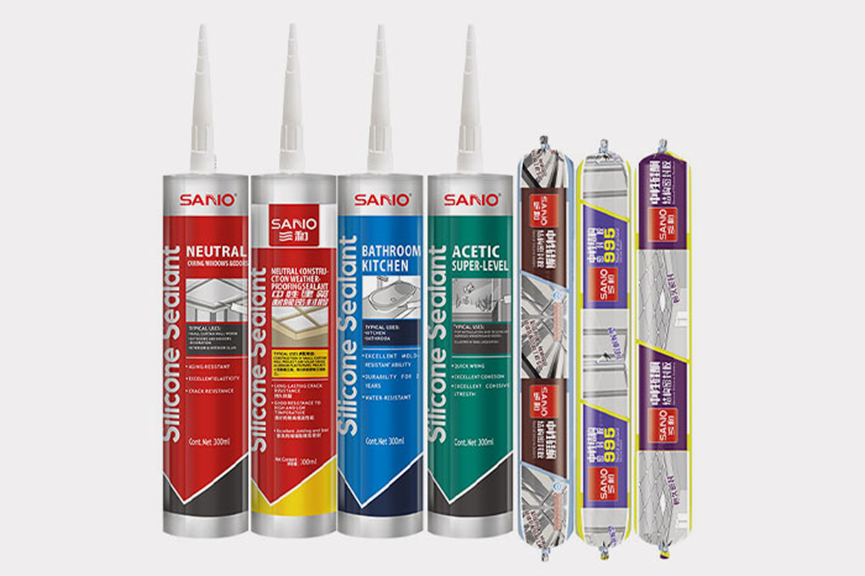
Homeowners and professionals often ask whether it is possible to smooth sealant lines once they harden. The process of sanding caulk is a common practice when working with certain acrylic or latex products, but many are unsure how it applies to silicone. Companies like SANVO provide various sealants for different applications, and understanding their characteristics is essential before attempting any refinishing step.
Understanding the Sanding Process
When dealing with projects that require neat finishing, sanding may appear to be a quick solution. However, the effectiveness of sanding caulk depends largely on the type of material being used. Silicone products are flexible and rubbery once cured, which makes sanding far less effective compared to more rigid options. Instead, trimming excess or using proper smoothing techniques during application often delivers better results.
Can You Sand Silicone Caulk After It Dries?
The question of “Can you sand silicone caulk after it dries?” arises frequently in renovation discussions. In reality, the texture of cured silicone resists sanding tools, leading to rough or torn edges rather than a smooth surface. Professionals typically advise removing and reapplying silicone if the finish is uneven. By contrast, acrylic-based sealants can be lightly sanded, which is why choosing the right material for the job is critical.
Conclusion
Selecting the correct sealant helps avoid unnecessary rework. SANVO emphasizes the importance of matching products to the task, whether for bathrooms, kitchens, or construction joints. While sanding may help refine certain materials, silicone requires alternative methods for achieving a clean result. Knowing these differences allows users to save time and achieve a more professional outcome in their sealing projects.